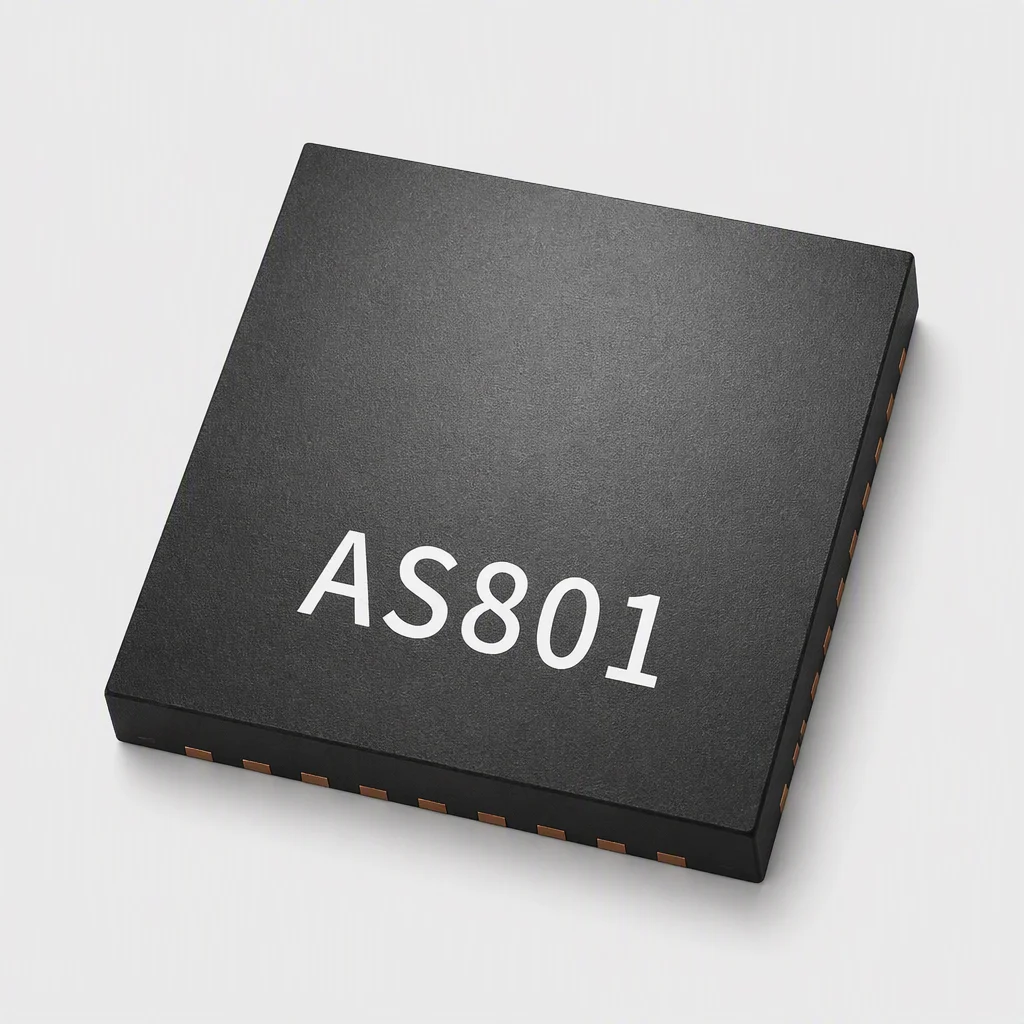
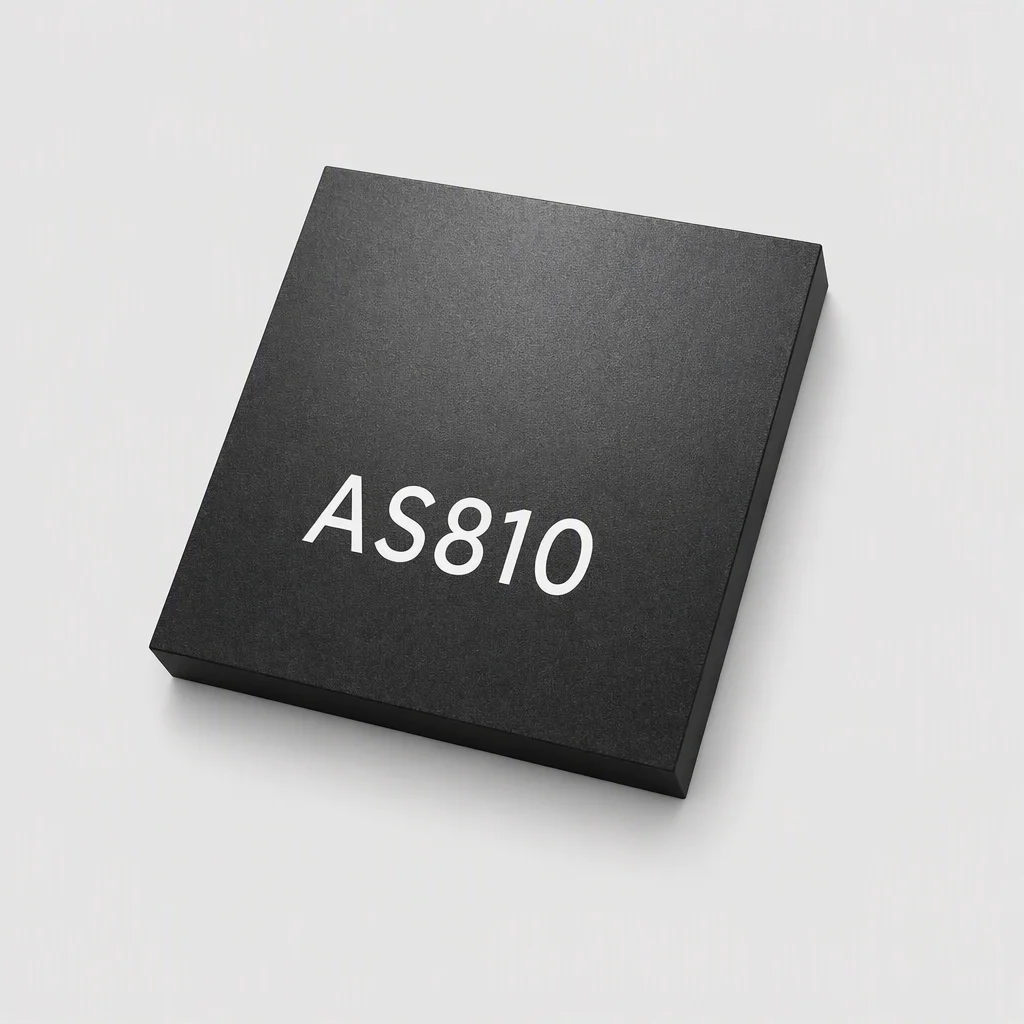
AS801
The AS801 fuses two identity lanes on one AI die: fingerprint biometrics and QR-code decode. No second scanner chip, no dual-firmware theater — one engine, one SDK, one bill of materials for the multimodal door terminals the market moved toward in 2025.
Key specifications
| Function | Fused biometric + barcode engine — fingerprint identity and QR credential decode on one die |
|---|---|
| Engine | 2026-generation AI fusion engine — one runtime, two credential modalities |
| Biometric lane | Fingerprint enrollment, 1:1 / 1:N verification (in-house DSP engine), BS-sensor compatible |
| Barcode lane | 1D/2D QR decode class — mobile credential and ticket flows |
| Host interfaces | SPI / UART / USB, SDK examples for all three |
| Target applications | Multimodal door locks and terminals, visitor-gate and unlock-by-credential devices |
| Marking | AS801 (AI biometric engine, 2026) |
Full specification
| Parameter | Value | Note |
|---|---|---|
| Product family | AS-series · AI engines | 2026 generation entry |
| Fusion runtime | Fingerprint engine + QR decode engine, shared memory manager | Single firmware image |
| Fingerprint templates | Typical lock platform: 200+ templates | Configurable via SDK |
| Match latency (1:N) | Sub-second class | SDK-tuned per platform |
| QR / 1D decode rate | Class of the AS7-series decode engines | Full code-set: QR, DataMatrix, PDF417, EAN/UPC family |
| Interfaces | SPI / UART / USB | All documented in SDK |
| Sensor support | BS-series capacitive arrays | 508 DPI class |
| Operating environment | Industrial temperature-class design | See AM-series module for −40~85°C fixture |
| Packaging | Surface-mount, tape/reel on request | ESD-safe handling documented |
Board-level values vary with sensor and clock config — FAE confirms timing margins on your board within 48h.
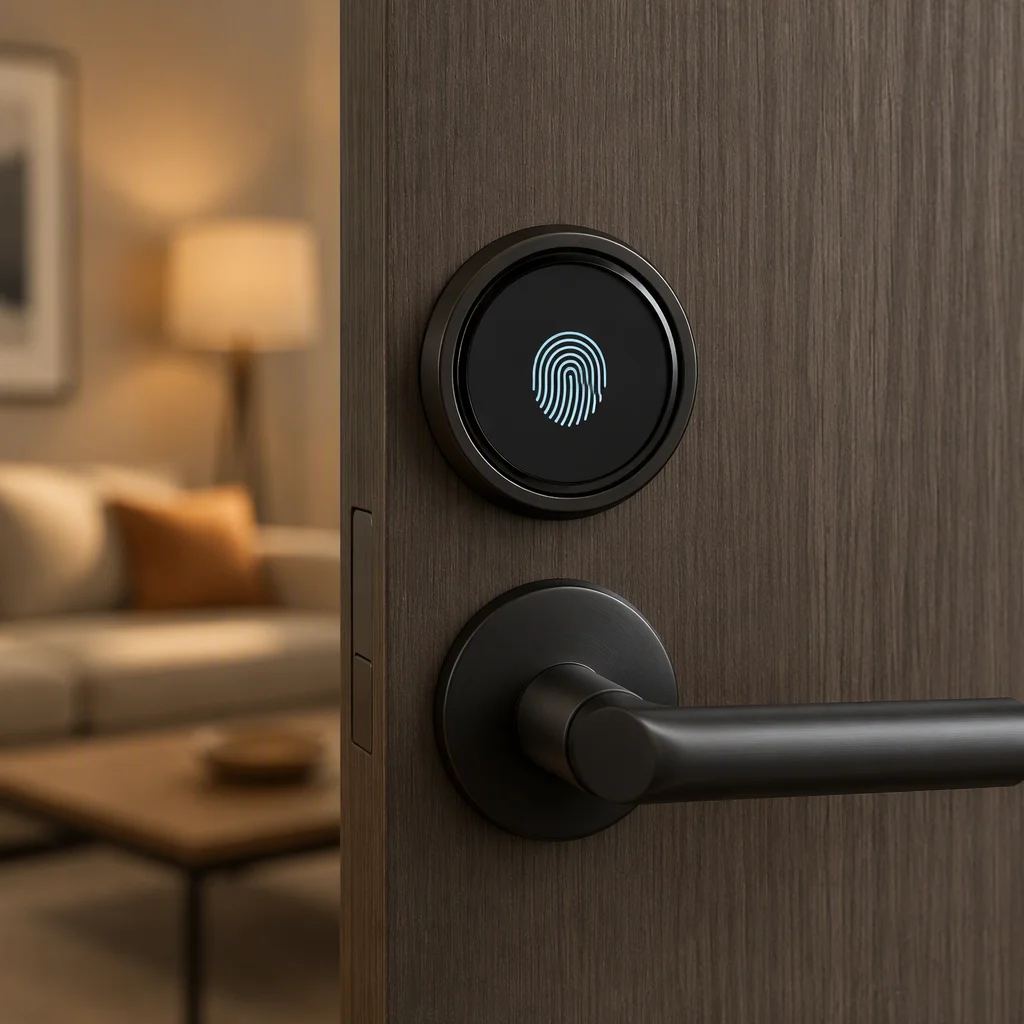
Two identity cultures, one chip.
2025 showed a lock market moving both ways at once: 54.6% of new biometric modules were face, but fingerprint and QR each kept their own strongholds — and a growing share of terminals offered all three. AS801 is the chip-level answer to that split:
- Fusion, not federation — both engines sit on one die with a shared template store; enrollment of a QR key and a fingerprint runs in the same SDK command set.
- One BOM, both credential cultures — a lock that ships with N-square keypads gets an upgrade path without a new controller.
- Mobile-friendly — the QR lane accepts visitor passes and membership codes at the same terminal where habituated residents use their finger.
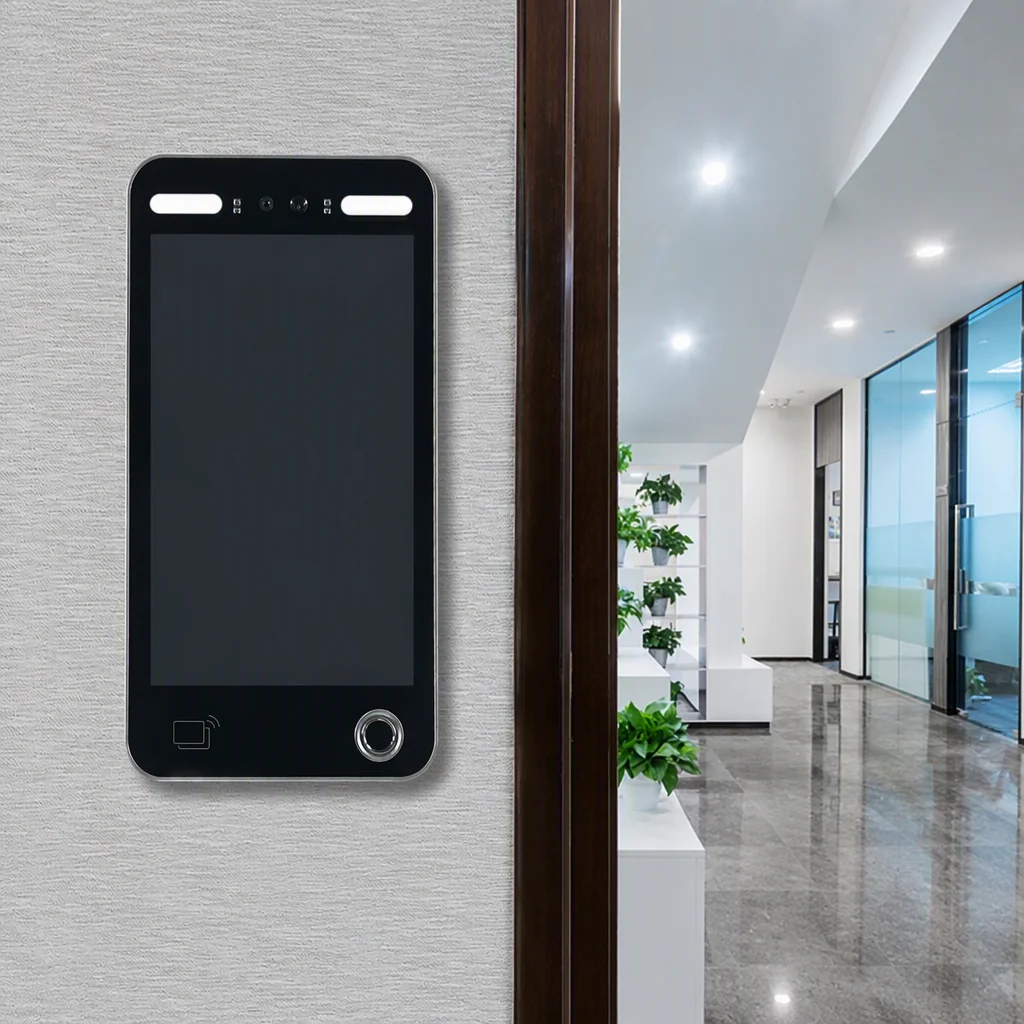
Evolution without a full re-spin.
For the door OEM the interesting part is what the chip does not force: no new connector, no host re-architecture, no second SDK:
- Same SPI/UART/USB footprint as the established AS5-series lock chips, so the schematic cadence is almost unchanged.
- Credential mix is a firmware flag — A/B test QR-vs-fingerprint adoption per market without shipping two hardware SKUs.
- Free SDK, FAE support 48h, and the fall back to a pure-fingerprint firmware if the market reads otherwise.
AS801 FAQs
1 pc is the MOQ. Samples ship in 1–3 days with the fusion SDK, barcode decode example and fingerprint demo routine included.
Both engines are in the silicon — the SDK can expose either lane or both, and the demo routines cover the fused flow. No separate engine purchase.
It covers the full decode set the AS7-series ships: QR, DataMatrix, PDF417 and the EAN/UPC family. Your exact code-set spec is confirmed by FAE within 48h.
Map your credential mix on the chip before you vote on it.
Tell us which markets need QR, which need fingerprint — get a fused-terminal reference design and sample offer within 48h.