
AS810
The AS810 carries the face lane onto silicon: 4K@30fps H.264 encode, liveness in the frame path, and a 40–70 cm recognition class that fits the pedestal-to-face geometry of real access panels.
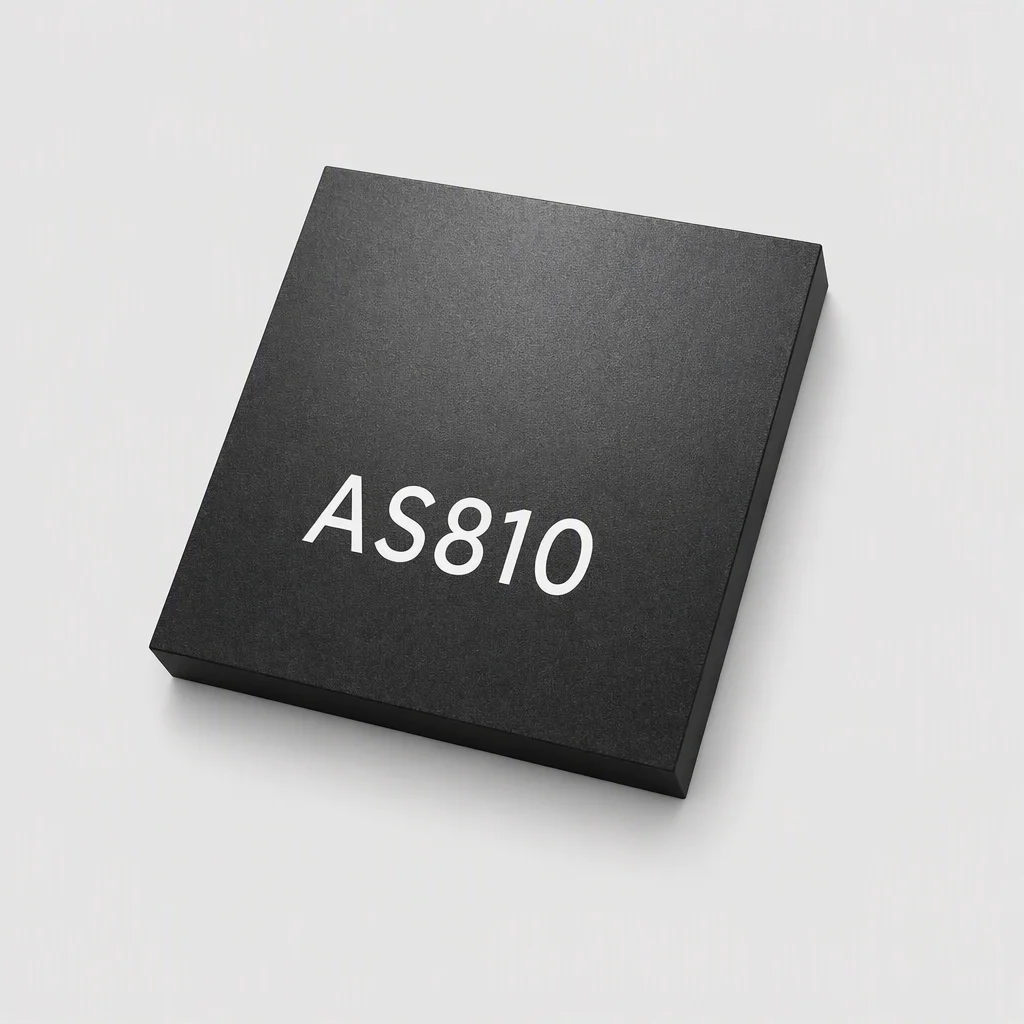
Key specifications
| Function | Face recognition algorithm chip with on-chip encode and liveness |
|---|---|
| Video lane | 4K@30fps H.264 encode |
| Recognition class | 40–70 cm face distance — the access-panel envelope |
| Liveness | Check paths for single-lens and dual-lens platforms |
| Camera input | RGB, plus IR path support on module platforms |
| Target applications | Access panels, visitor gates, identity stations |
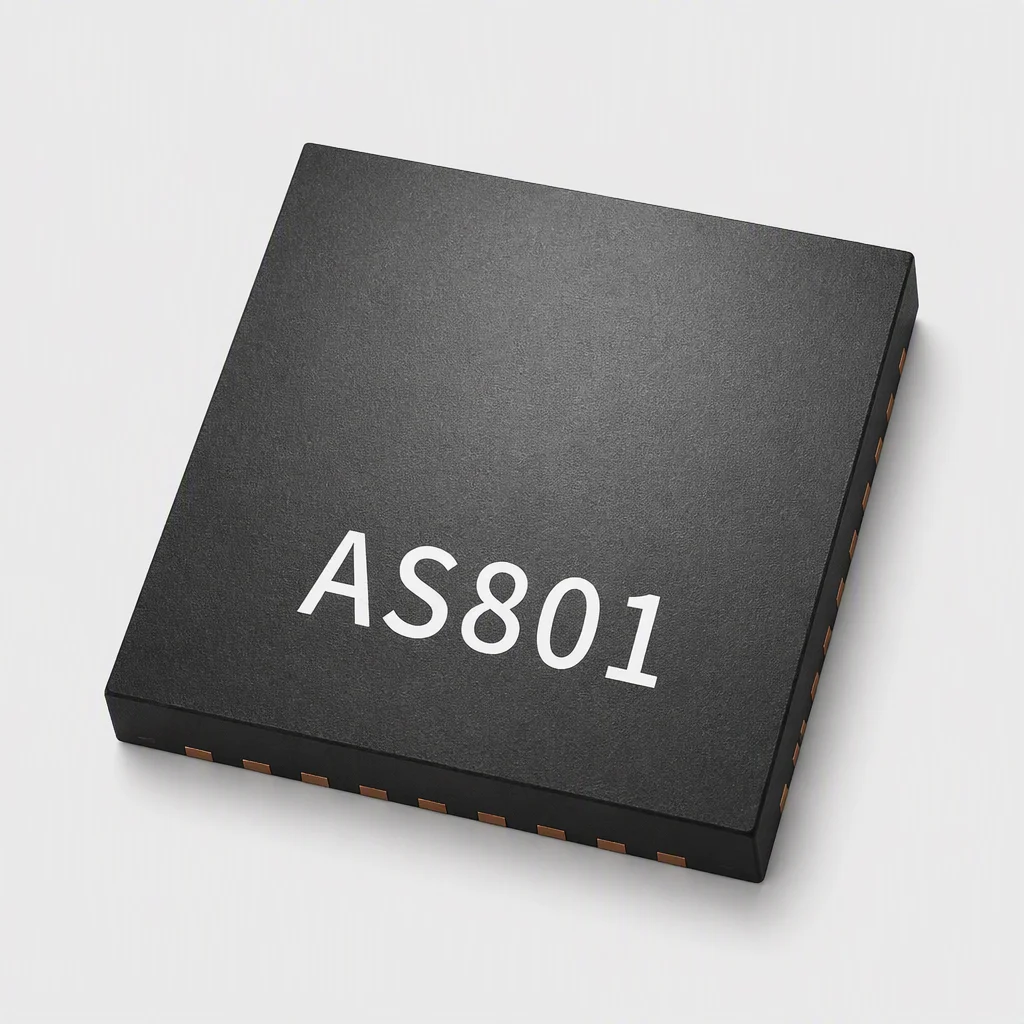
| Marking | AS810 (face algorithm chip) |
Full specification
| Parameter | Value | Note |
|---|---|---|
| Encode | H.264, 4K@30fps class | On-chip encode for band-limited links |
| Algorithm engine | In-house face recognition network | 400+ registered IP across group |
| Recognition distance | 40–70 cm class | Pedestal and wall-panel geometry |
| Liveness | RGB checks; IR paths on module platforms | Photo-screen rejection is the point |
| 1:N capacity | Platform-dependent, scales with memory | Config on request |
| Interfaces | MIPI-class camera in (platform-dependent), UART/USB control | See reference design |
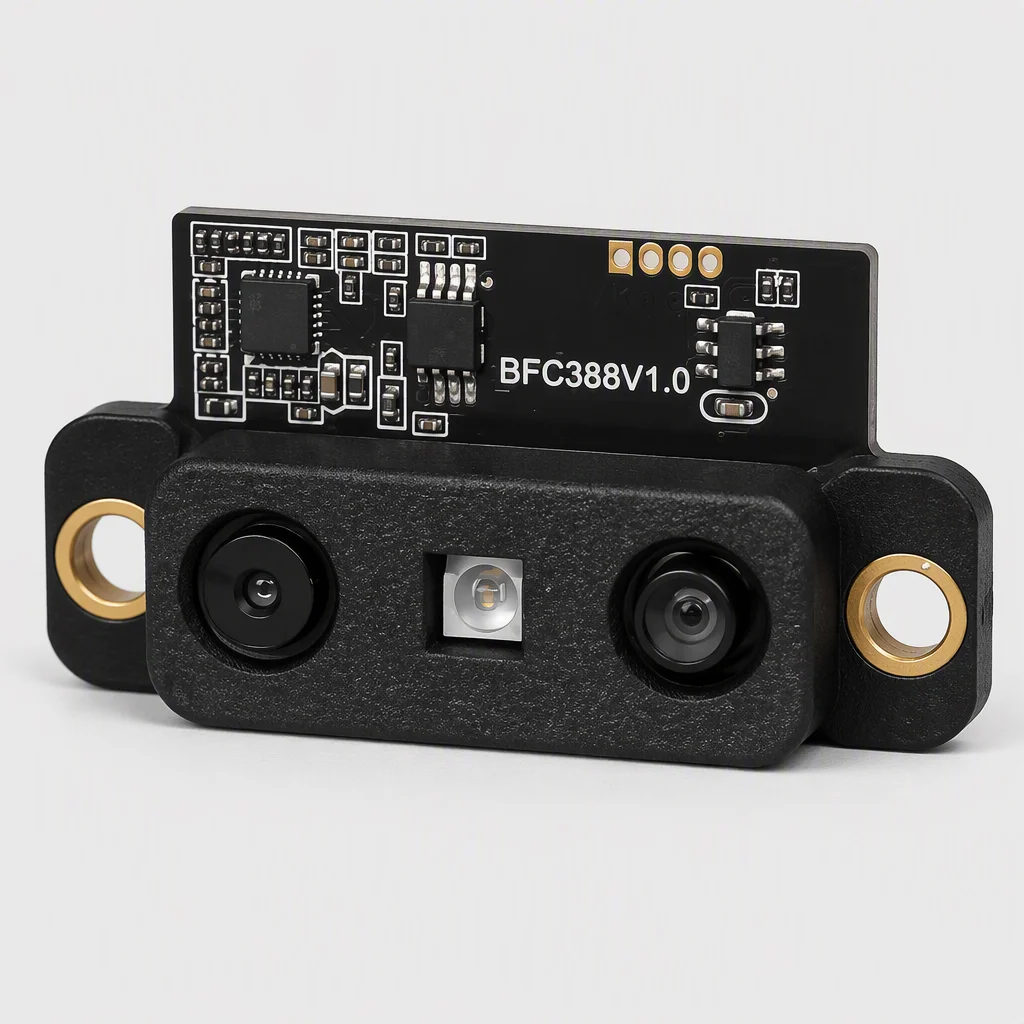
| Operating environment | Industrial temperature-class design | See BFC-series module for fixture data |
| Packaging | Surface-mount, tape/reel on request | ESD-safe handling documented |
Board-level values vary with camera and clock config — the FAE team validates against your fixture within 48h (as matched for the AS810 build).
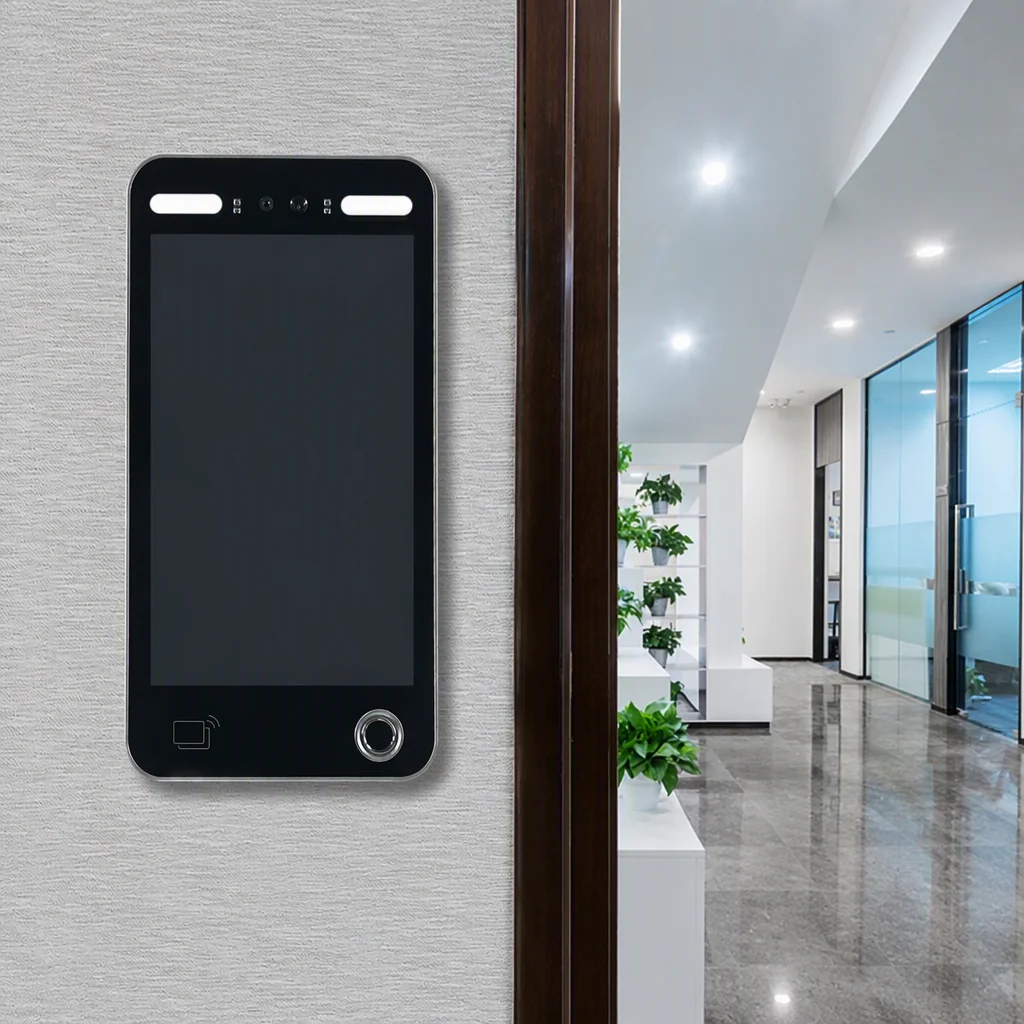
The 40–70 cm class is the one that sells.
Market data for 2025 says 62% of new installed access is face-based — but the geometry that pays is the panel-class distance: close enough to read a five-o'clock-shadow, far enough not to lean. That is the AS810 class:
- Recognize within the envelope — 40–70 cm keeps the head pose in the ±20° field without ergonomic contortions.
- H.264 4K — this panel's video is a sales artifact and an audit trail; the encode stays on-chip.
- Liveness by default — photo and screen attacks fail at the panel, not after the door opens.
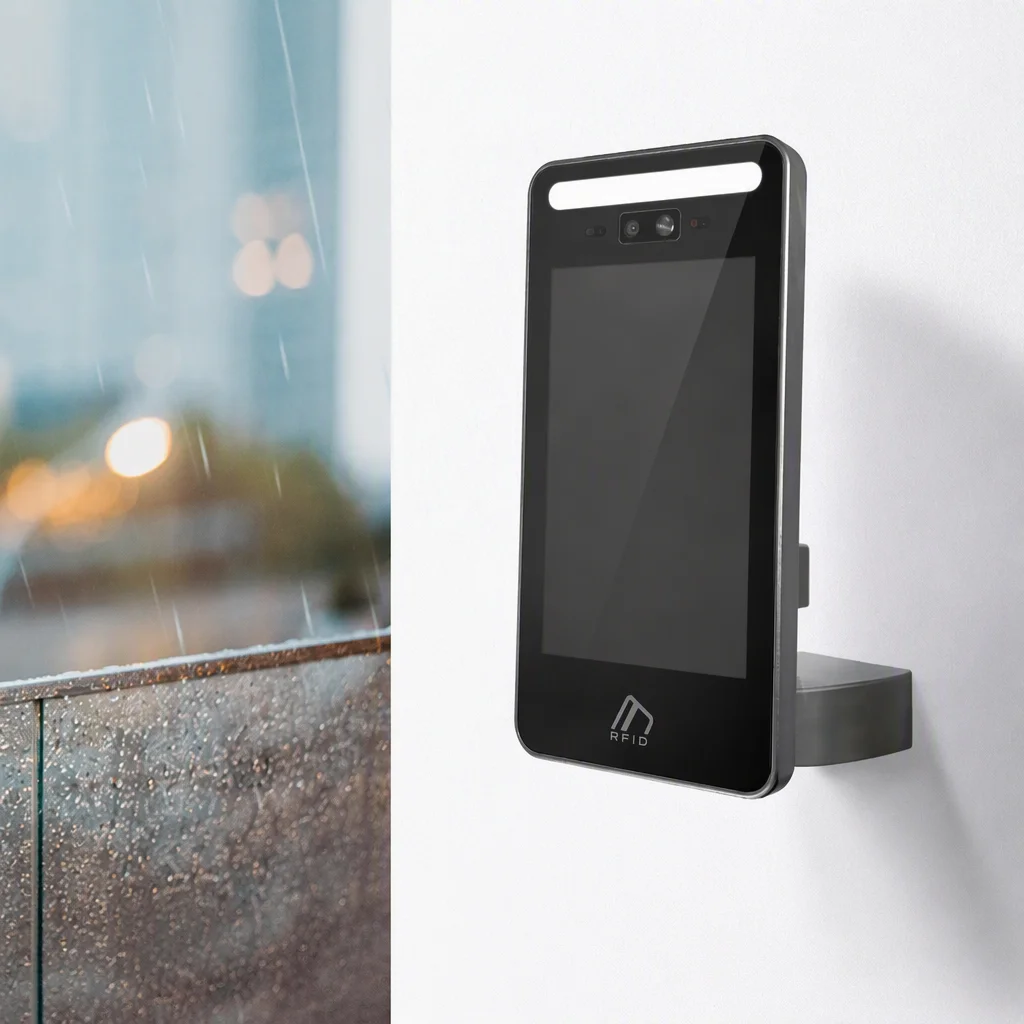
Enterprise-grade identity without a server-room name.
In government lobbies the concerns are audit and consistency: every access attempt is a record, and the match logic has to be identical from month one to year three. The AS810 platform handles the part where the budget is soft:
- On-chip encode means video evidence stays with the local appliance instead of routing through a desk-box.
- SDK-managed enrollment and templates remain version-consistent across deployed units.
- Upgradable to AS812-class capacity within the same firmware tree — reuses what already shipped (see sibling page).
AS810 FAQs
One pc is the MOQ. Samples ship in 1–3 days with the free SDK, camera reference design notes and liveness-check demo routine.
Yes — the encode output targets standard band-limited links; FAE confirms the NVR compatibility matrix against your recorder model within 48h.
The reference set is RGB plus IR paths at the distance class the billboard names; exact sensor matching is confirmed per project by FAE within 48h.
Bring your panel geometry to the bench.
Send the mounting height and lens class — get a verified recognize-distance report and a sample offer within 48h.