The template is the asset.
Roughly 949 million fingerprint modules shipped in phones in 2025 (2025 market reports) — biometrics is now a consumer habit, which makes it urgent rather than optional in banking and civil registry. High-assurance programs run on two rails: enrollment-grade capture at 508 DPI, and crypto-grade binding on the record itself — TDES/AES/RSA with FIPS 140-2 reference-class key handling.
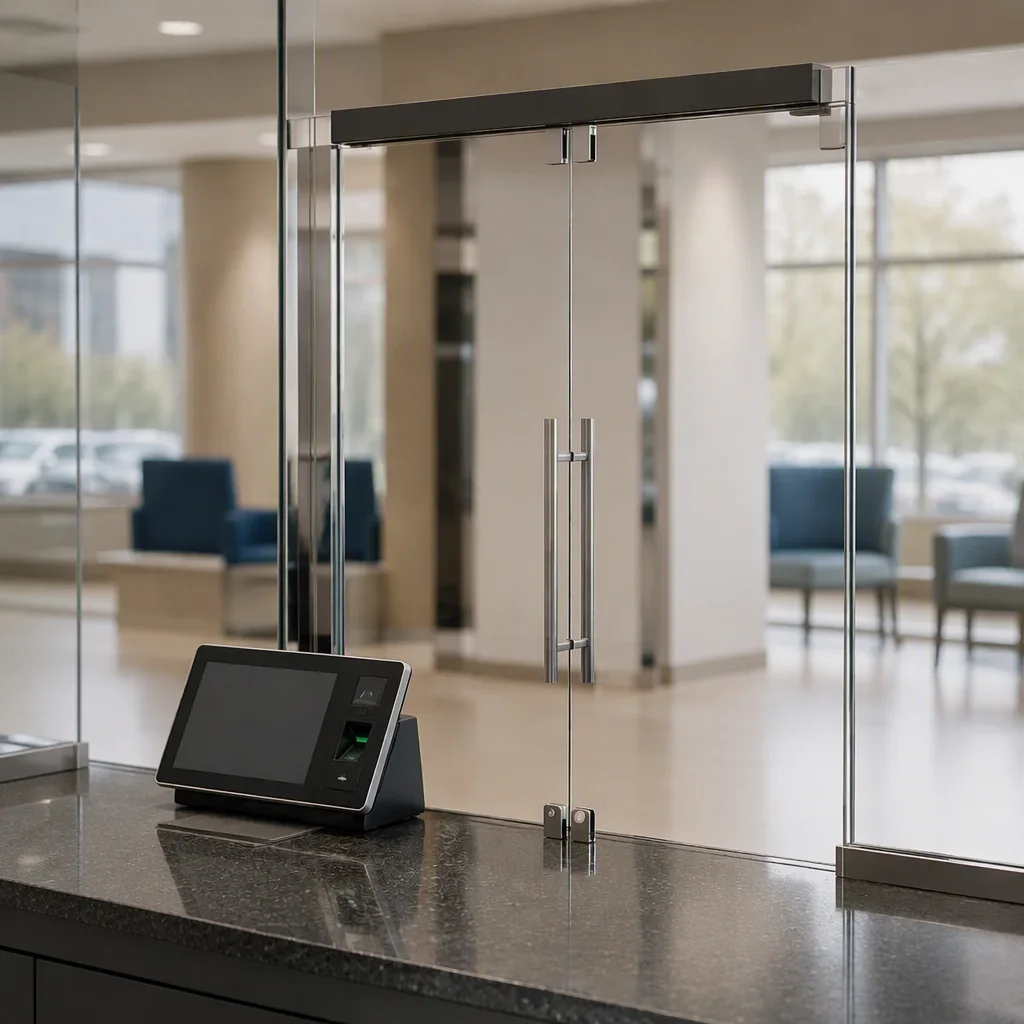
Four pressures that decide a registry program.
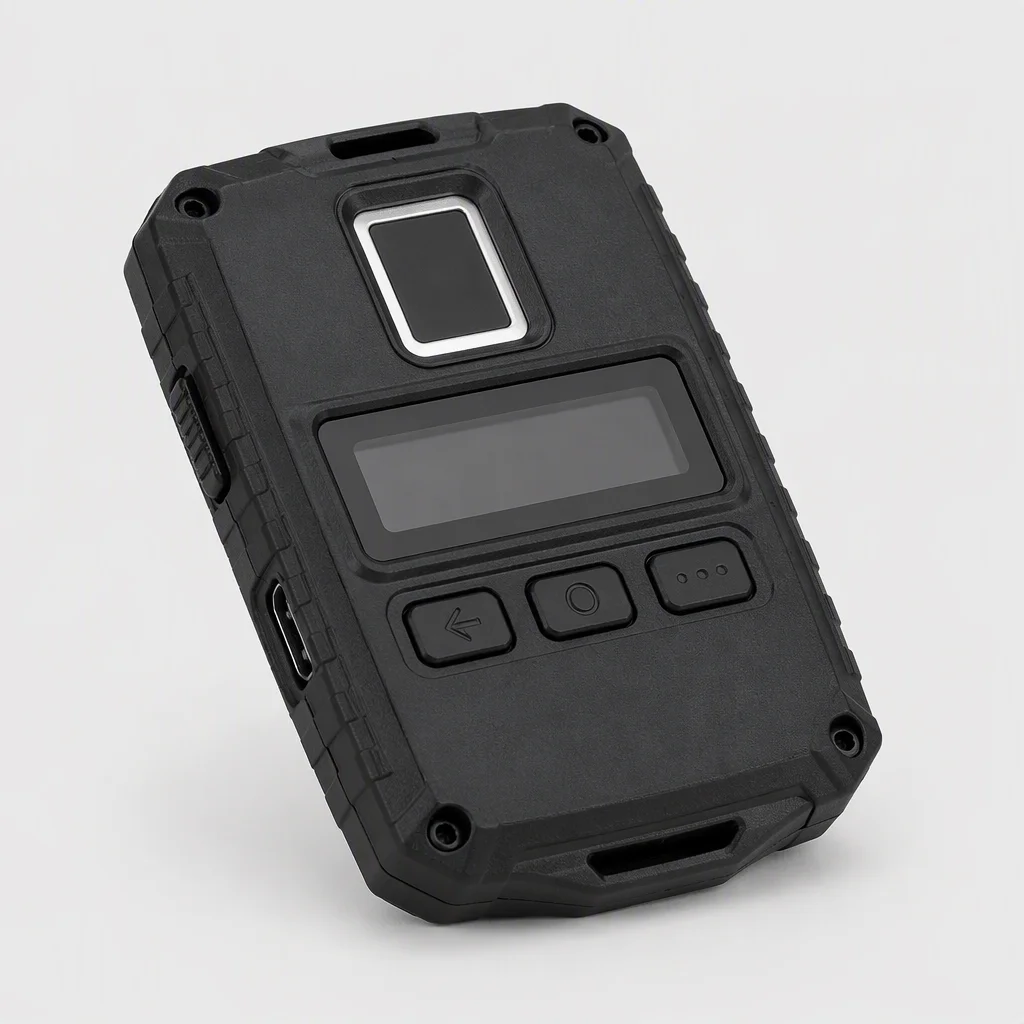
- Re-capture is not an option: a civil registry record lives for years. 508 DPI enrollment capture keeps ridge-level detail for the archive, not just for next week's gate check.
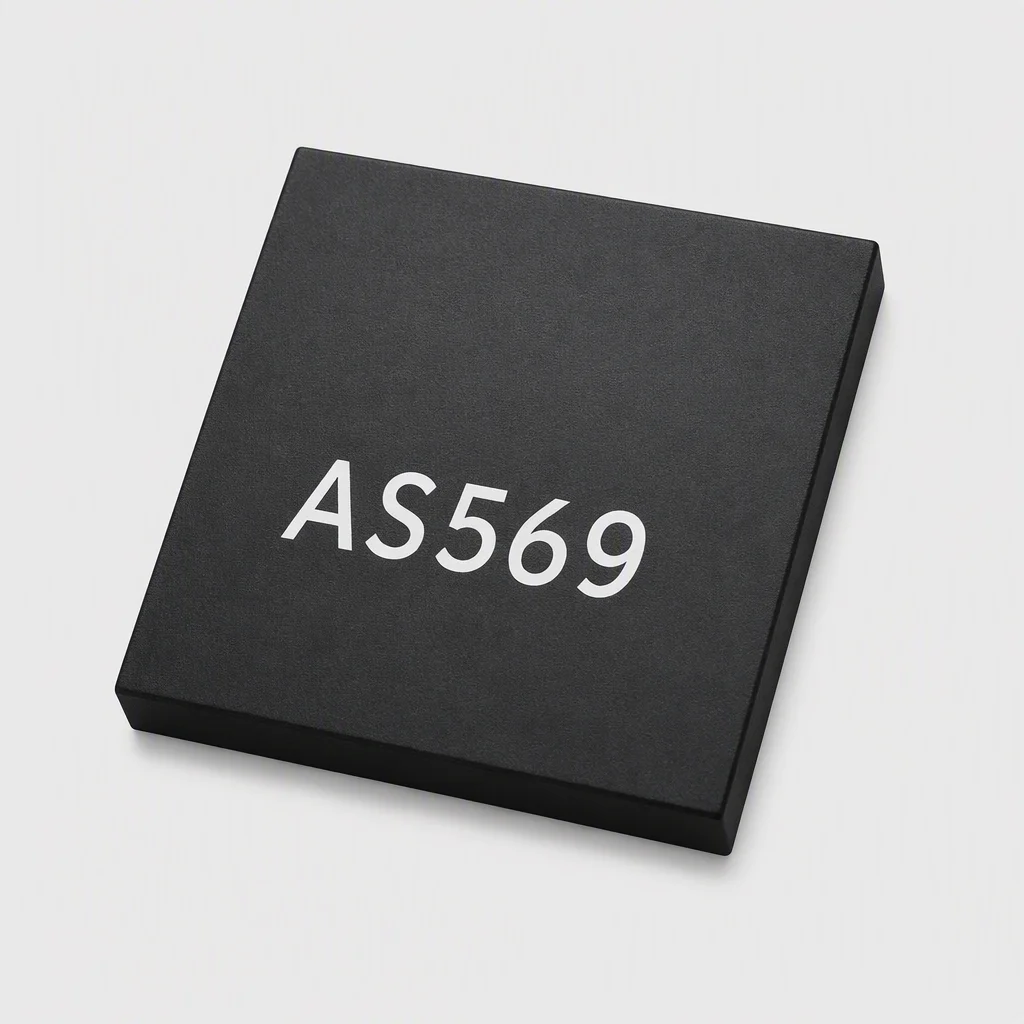
- Templates are a liability: a fingerprint template is identity material. The AS569 coprocessor keeps template and key storage on-chip and encrypts the record path — TDES/AES/RSA with an SM-family option per design config.
- Tender walls: high-assurance buyers ask for EAL4+-class evaluation posture and public-security-class test reporting. The report summary ships on request, so the tender file gets a document instead of a slogan.
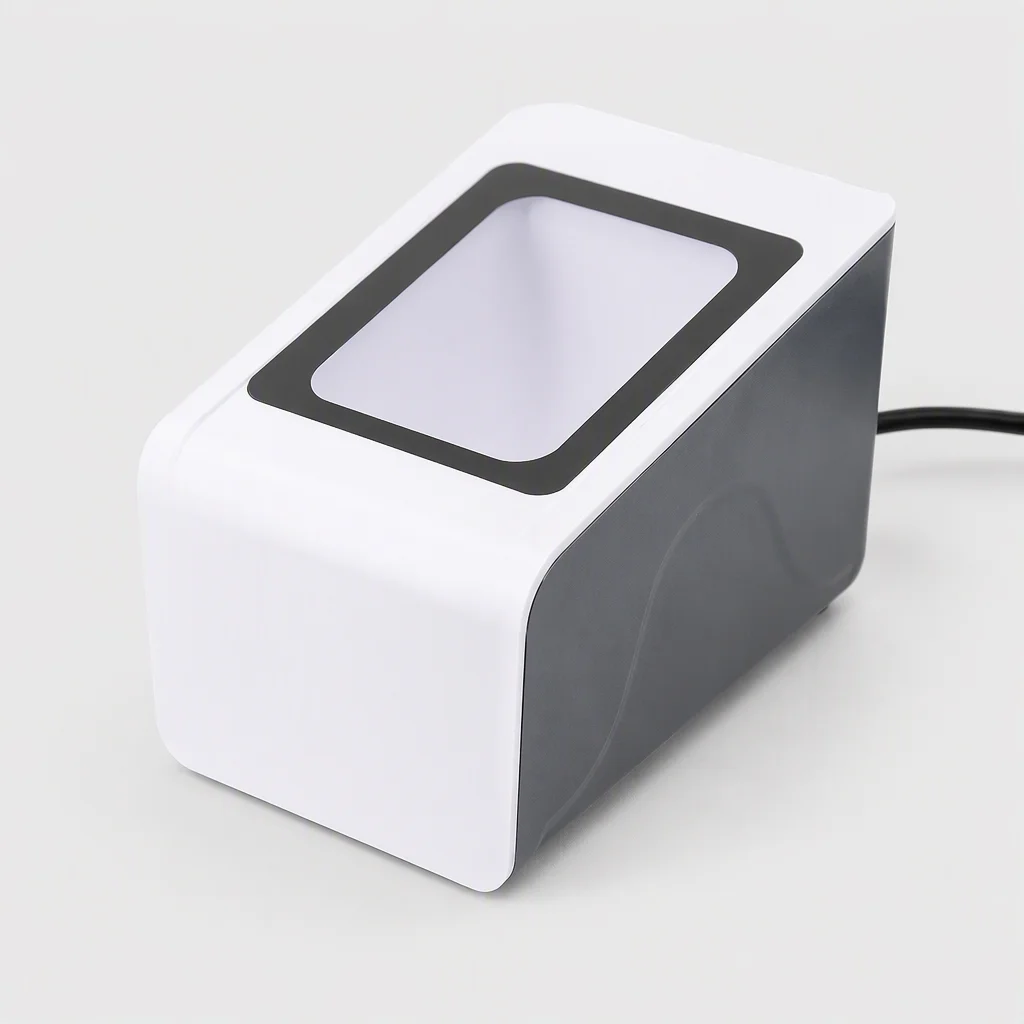
- The counter is also an identity point: service windows now verify a customer QR against the payment figure — the R41 scan-and-speak box settles the amount out loud, which is the auditable, accessible version of the same transaction.
What a 2026 assurance program needs
| Requirement | Reference target | Our lines |
|---|---|---|
| Enrollment capture | 508 DPI, USB 2.0, minutiae-grade detail | AM501 |
| Test reporting | Public-security-class posture, report summary on request | AM501 |
| Crypto suite | TDES / AES / RSA — FIPS 140-2 reference-class key handling | AS569 |
| Biometric engine | 1,000-template class, 1:1 and small 1:N | AS569 |
| National algorithm | SM-family path per design configuration | AS569 |
| Secure storage | Template and key region on-chip, off the app path | AS569 |
| Host interfaces | SPI / UART / USB per config; USB 2.0 on the collector | AS569 · AM501 |
| Counter verification | 2D QR at 4 mil class with spoken amount | R41 |
Enroll at the desk, verify at the counter, encrypt on the wire.
- AM501 at the registry desk writes the master record at 508 DPI; R41 at the service window reads the customer's QR and says the amount — a split-capture policy, one ledger.
- AS569 binds it: fingerprint templates and keys stay in the on-chip secure region, record transport rides the AES/RSA lanes, and the SM-family option opens the door for programs that require domestic algorithms.
- One silicon family behind 400+ patents — AS-class devices share a single SDK dialect, so the desk unit and the door unit speak the same integration language.
- MOQ 1 pc with samples in 1–3 days, free SDK and a 48h FAE line: a registry pilot desk is a weekly project, not a quarter one.
The three-piece identity bench.
What integrators report after switching.
Government registry programs take the AM501's 508 DPI output into tender bids; the public-security-class test report summary accompanies the file, which is what a procurement review actually asks for.
Pattern · Government registry programs — Asia & Africa
Payment terminal integrators pair AS569 with an AS608-class host SoC — the integration notes cover SPI/UART/USB setups, and the template store answers the audit chapter instead of hedging it.
Pattern · Payment terminal integrators — Central & East Europe
Service-window integrators use the R41's spoken amount as the dispute boundary — once the box announces the figure in the customer's hearing, the queue argument closes by design.
Pattern · Service-window integrators — Southeast Asia & Middle East
Finance & government FAQs
No certificate is asserted. EAL4+-class is the evaluation posture these platforms are designed toward, and the AS569 documentation is FIPS 140-2 reference-class key handling. The honest operational answer is the export-compliance path and lab pre-scan within the 48h FAE window.
No — it is a coprocessor beside your host. The pairing pattern is AS608-class identity SoC plus AS569 keys and templates, one vendor and one SDK dialect; the FAE team confirms the pairing matrix for your board within 48h.
Datasheet, free SDK documentation, and the public-security-class test report summary for the collector (on request for qualified programs) — no invented certificate numbers. The FAE scopes your full requirements list in the first 48h reply.
Put the record under lock.
Send your crypto and capture requirements — we return the pairing matrix, the report summary and a 1-pc sample offer within 48h.