The dock is the database.
Scanning hardware was a USD 4.77 B market per industry research, growing toward USD 8 B by 2035 with 2D at a 6.8–9.8% CAGR. The W-series brings industrial duty to the floor: rugged shells, industrial temperature-class design, 4 mil minimum element width, full 1D plus QR, DataMatrix, PDF417 and Aztec — from the dock gate to the depot checkpoint.

Three pressures that separate a depot from a shop counter.
- Duty is the spec: dock scanning runs shifts of drops, jolts and temperature swings — rugged shells and industrial temperature-class design decide whether the unit is a tool or a consumable.
- Cross-dock symbology: shipping labels carry QR and DataMatrix next to the 1D row; PDF417 rides on the invoice. Reading the full stack at 4 mil class, in one pass, is the actual job.
- Remote checkpoints: outdoor gates and yard positions have no counter to rest on — 0–80 cm class range plus USB/RS232 lets the fleet standardize one unit from bay to bay.
- Label damage: crushed and re-shrinkwrapped labels are normal in transit; the 0.5–0.75 MP CMOS class floor and multi-symbol decoding are the recovery margin.
What a 2026 depot floor needs
| Requirement | Reference target | Our lines |
|---|---|---|
| Imaging engine | 0.5–0.75 MP CMOS class | W2 / W6 / W9 |
| Precision | 4 mil minimum element width class | W-series family standard |
| Read range | 0–80 cm class | W-series family standard |
| Housing | Rugged industrial shell; extreme-duty at the hardest workpoints | W2 / W6 / W9 ladder |
| Environment | Industrial temperature-class design, wider than commercial units | W-family standard |
| Symbologies | All 1D + QR, DataMatrix, PDF417, Aztec, China Post | Whole line |
| Host interfaces | USB HID / CDC, RS232 | Whole line |
| Multi-depot programs | Site-standard unit across bay-to-bay duty cycles | W9 full-duty standard |
| Program flexibility | MOQ 1 pc · samples 1–3 days · mass 10–25 days (<5,000 pcs) · 2-year warranty | Whole line |
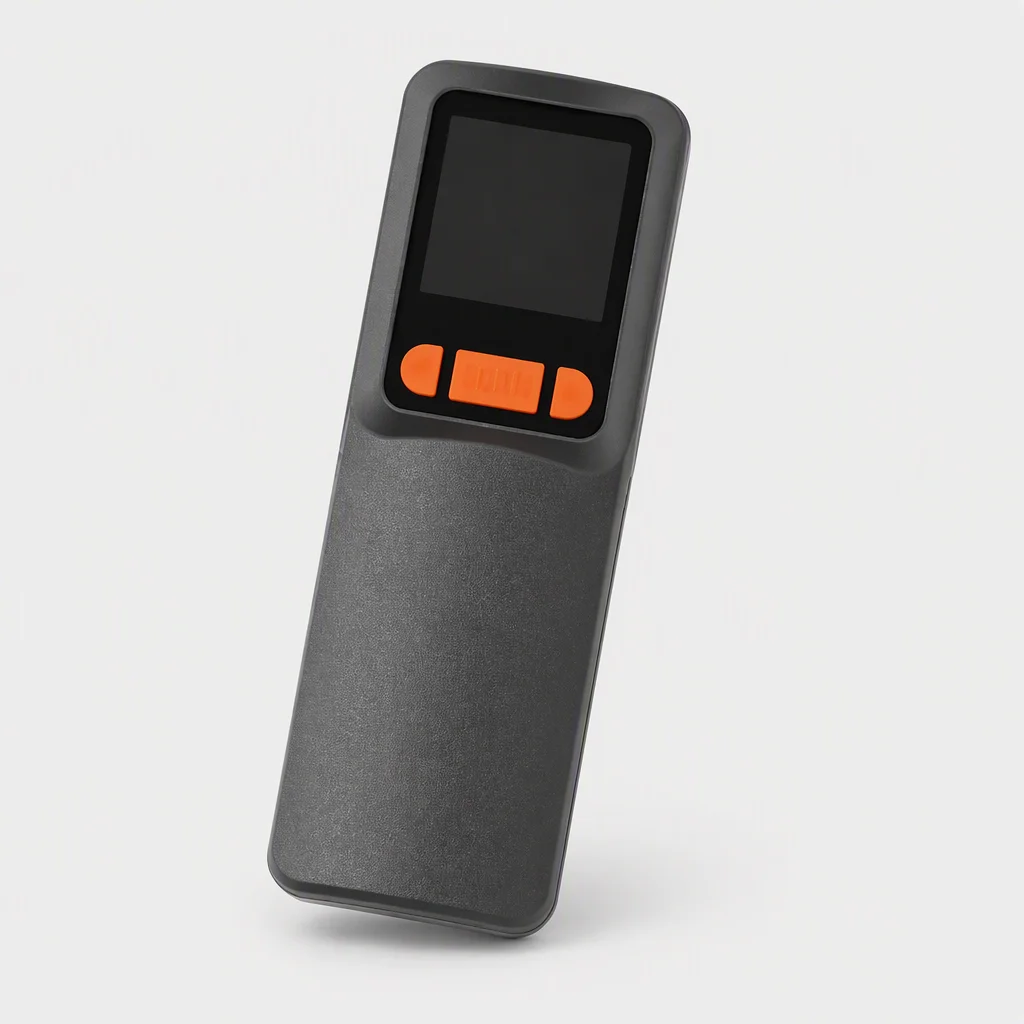
One family, three duty bands, bay to bay.
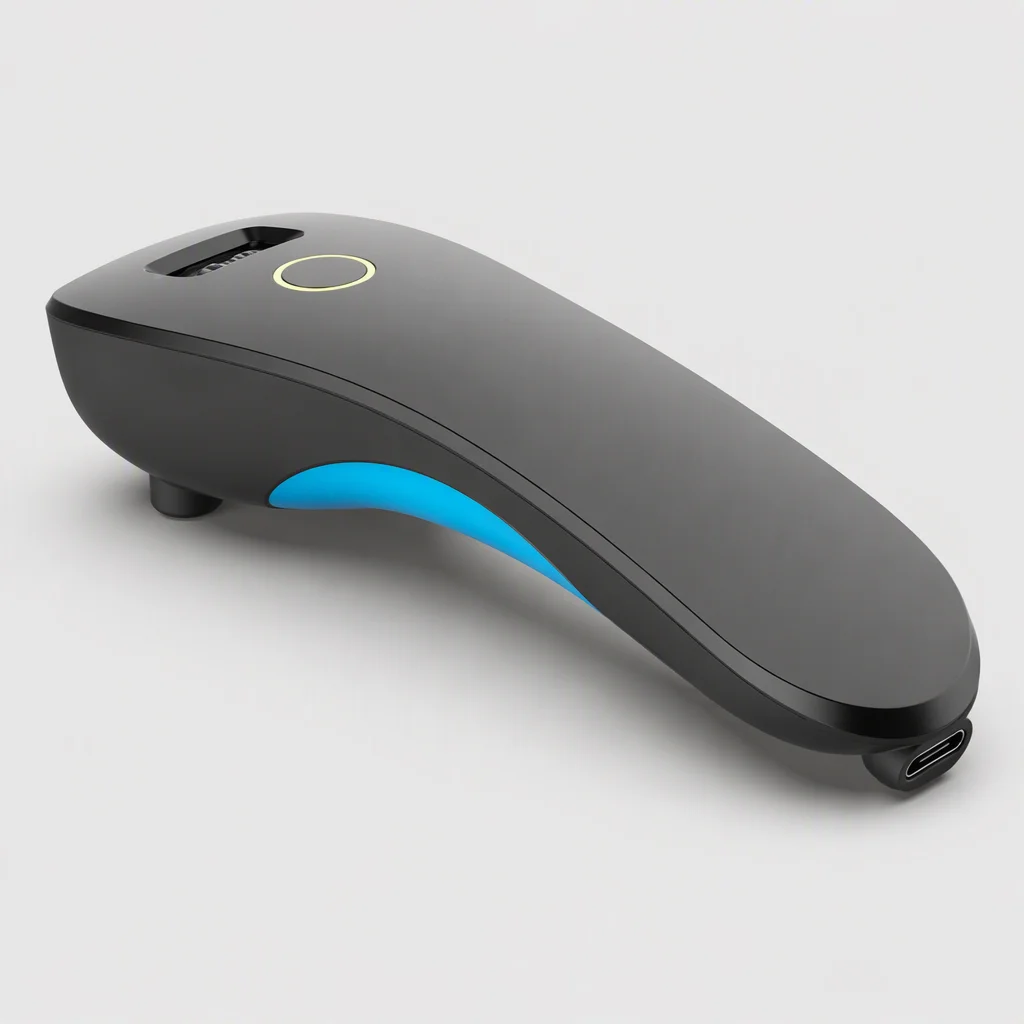
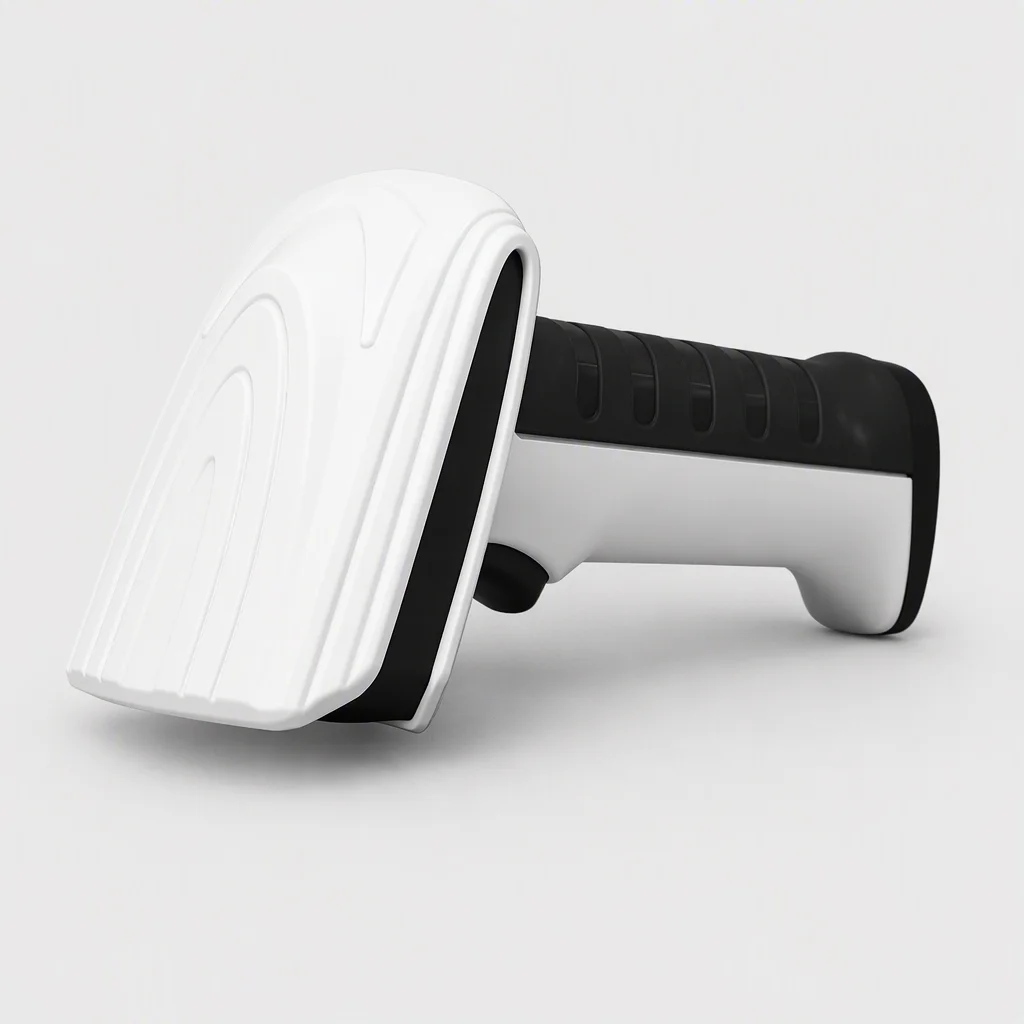
- W9 is the site-standard unit — multi-depot programs commit one model floor-wide. W2 covers warehouse bays and dock checks; W6 takes extreme duty at outdoor gates and remote checkpoints.
- Industrial temperature-class design runs across the family — wider than commercial units, per the W-series spec sheet, with drop ratings documented per model.
- Same 4 mil class and 0–80 cm envelope, same USB/RS232 interfaces: one spare pool, one firmware track, same training deck.
- MOQ 1 pc: put the exact unit on your dock before the program. 2D growth at 6.8–9.8% CAGR is the market story — the bay cycle is where it pays.
Three duty bands, one test bench.
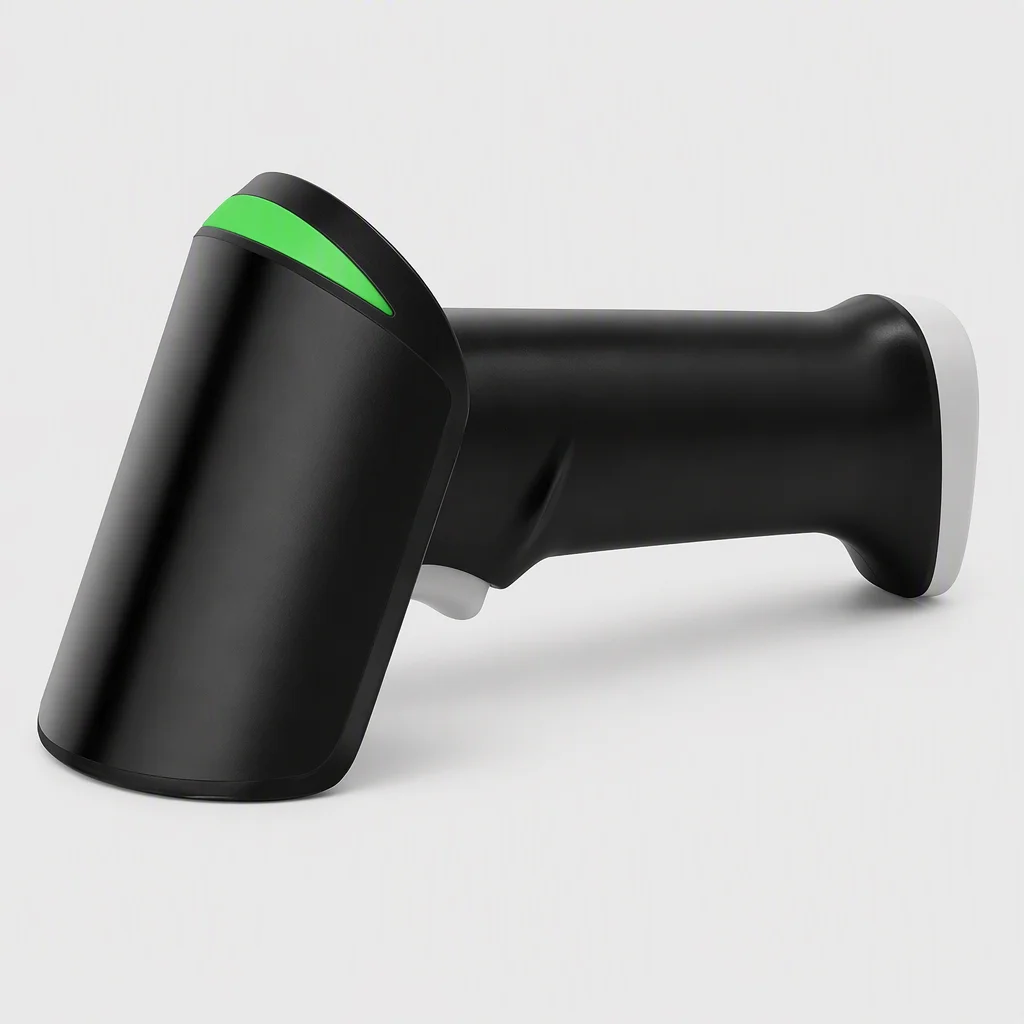
What depot teams report after standardization.
Multi-depot operators standardize W9 floor-wide — one model means one spare pool and one firmware track, with bay-to-bay duty cycles covered by the same full-duty shell.
Pattern · Multi-depot operators — EU & UK
Dock teams at outdoor gates and remote checkpoints run the extreme-duty band of the family; industrial temperature design keeps scan duty from being the weak link of the shift.
Pattern · Cold-chain and yard operators — Northern Europe
1 pc MOQ keeps the pilot honest — a unit goes to the dock for a week before the fleet order, and the 10–25 day mass schedule holds the rebrand window open.
Pattern · Warehouse integrators — Southeast Asia
Industrial scanner FAQs
Yes — MOQ 1 pc per model, samples ship in 1–3 days; mass production is 10–25 days for orders under 5,000 pcs.
Ratings are documented per model in the datasheet rather than lumped as a family figure — the 48h FAE reply publishes them per SKU against your station.
Yes — the whole W-series decodes all 1D plus QR, DataMatrix, PDF417, Aztec and China Post at 4 mil class.
Send the station map. Keep the bay cycle moving.
We return a per-station duty match, SDK links and a sample quote within 48h.