Built where
it is tested.
Six interconnected stages — SMT, COB assembly, firmware burn-in, aging, functional test, packing. Each gate visible from the next, each lot traceable from die to door.
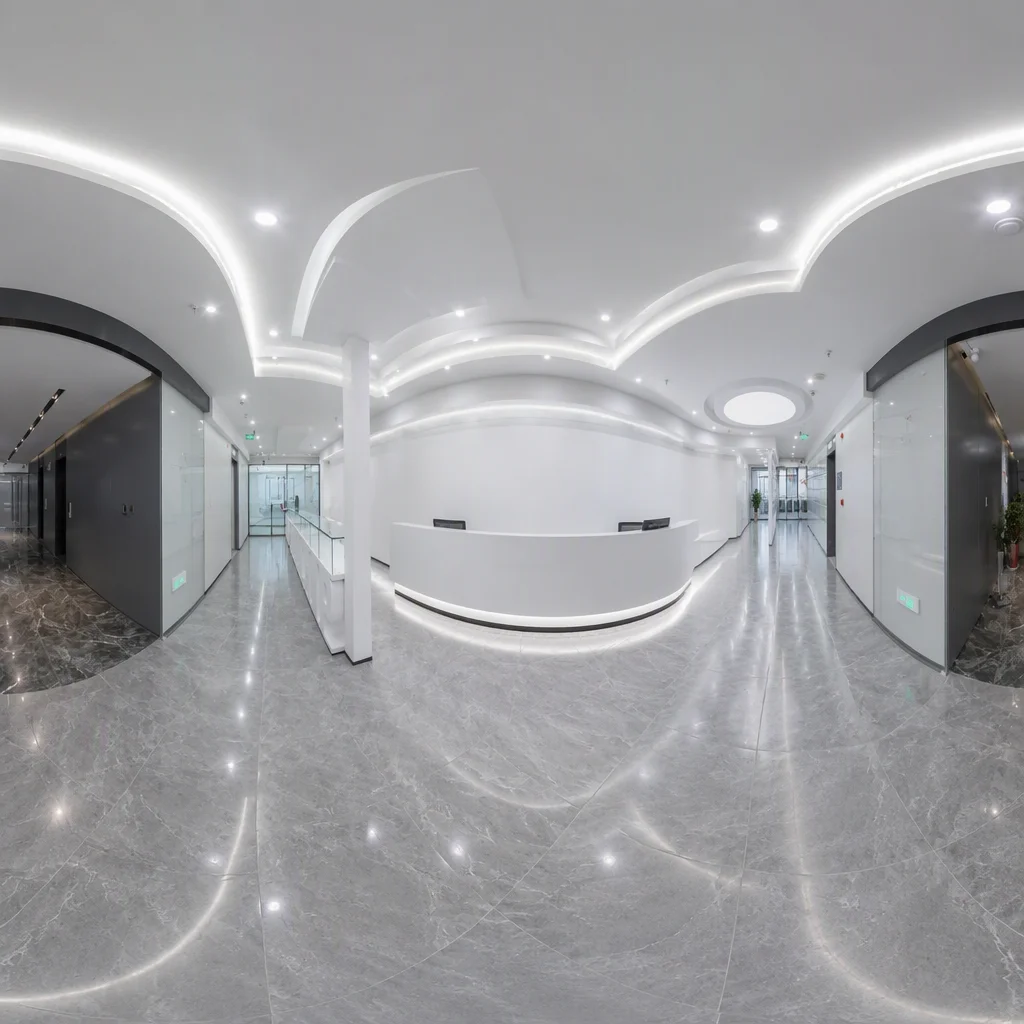
One floor, four product classes.
Chip marking and tape/reel, sensor-to-module COB assembly, finished scanners and terminals — the factory is laid out so a design change flows through every downstream station without crossing the street.
- SMT by fine-pitch class — 0.3 mm pitch-capable placement for compact module PCBs, with reflow profile per product family.
- COB module benches — sensor and optics placement, wire bonding and adhesive cure for fingerprint and face modules.
- Terminal assembly — screen mount, faceplate fitting, cable harness and stamping/branding stations for access hardware.
Stations, tools, gates
| Station | Equipment class | What it gates |
|---|---|---|
| IQC | Microscope-led incoming inspection, ESD meters | Dies, sensors, optics and PCBA enter the line clean or not at all |
| SMT | Fine-pitch mounter, reflow oven, paste inspection | 0.3 mm pitch class placement; full visual sampling per board |
| COB assembly | Die/wire bond bench, adhesive cure ovens | Sensor and imager alignment within module tolerance |
| Firmware bench | Production jigs with firmware load + checksum | 100% of units — wrong firmware cannot reach packing |
| Aging sojourn | Stabilized-soak racks with continuous power | Early failure survivors only; duration per product standard |
| Final test | Enrollment/compare loops, FAR/FRR audit fixtures | 100% unit-level functional pass; lot-level recognition audit |
| Packing | ESD-safe bags, foam, label-audit bench | Flyer, box, bag and lot label checked before courier |
Equipment details by line are shared with customers at the sample stage; specific machine vendors are not named — bench evidence beats brand names.
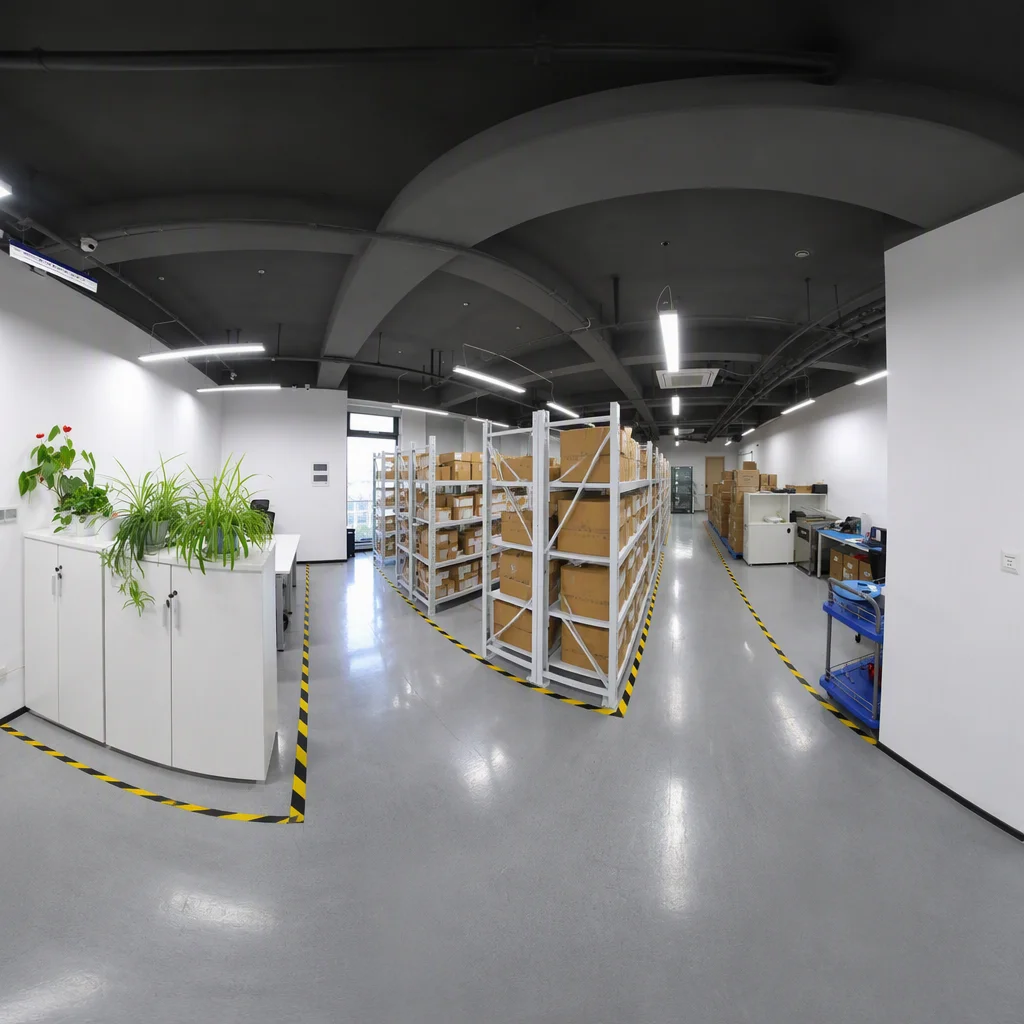
The gate sits on the line.
No batch sampling shortcut, no distant lab: every unit boots production firmware, runs a compare loop and earns a dated pass slip before it is packed. A lot number follows the product from die to door.
- AOI-style visual checks — camera inspection of PCBA and module seams, glued against a reference image.
- Trial-level temperature verification — family-class −40~85°C fixtures for AM-series modules; per-lot runs on request.
- Test report with every mass order — lot-level FAR/FRR audit results ship alongside the goods.
The manufacturing chain
Incoming goods
Microscope and ESD checks on dies, sensors, optics and boards before they touch a line.
SMT
Fine-pitch placement and reflow; paste inspection sample per board family.
COB fit
Sensor/or imager mount, wire bond and cure — alignment inside module tolerance.
Firmware + age
Production firmware load with checksum, then stabilized-soak aging on power.
Full test
100% functional pass plus lot-level recognition-rate audit before packing.
Ship
ESD-safe bags, foam, label audit, lot report — 3–5 days for samples, 10–25 days for mass runs.
Walk the line, or watch it on camera.
Video walkthroughs and live factory calls are arranged before your first mass order — MOQ 1 pc means you can meet the floor early.