
AS812
AS812 is the AS810-generation performer tuned for scale: the same in-house face engine, pushed for the higher-capacity deployments where throughput — not geometry — is the constraint that names the project.
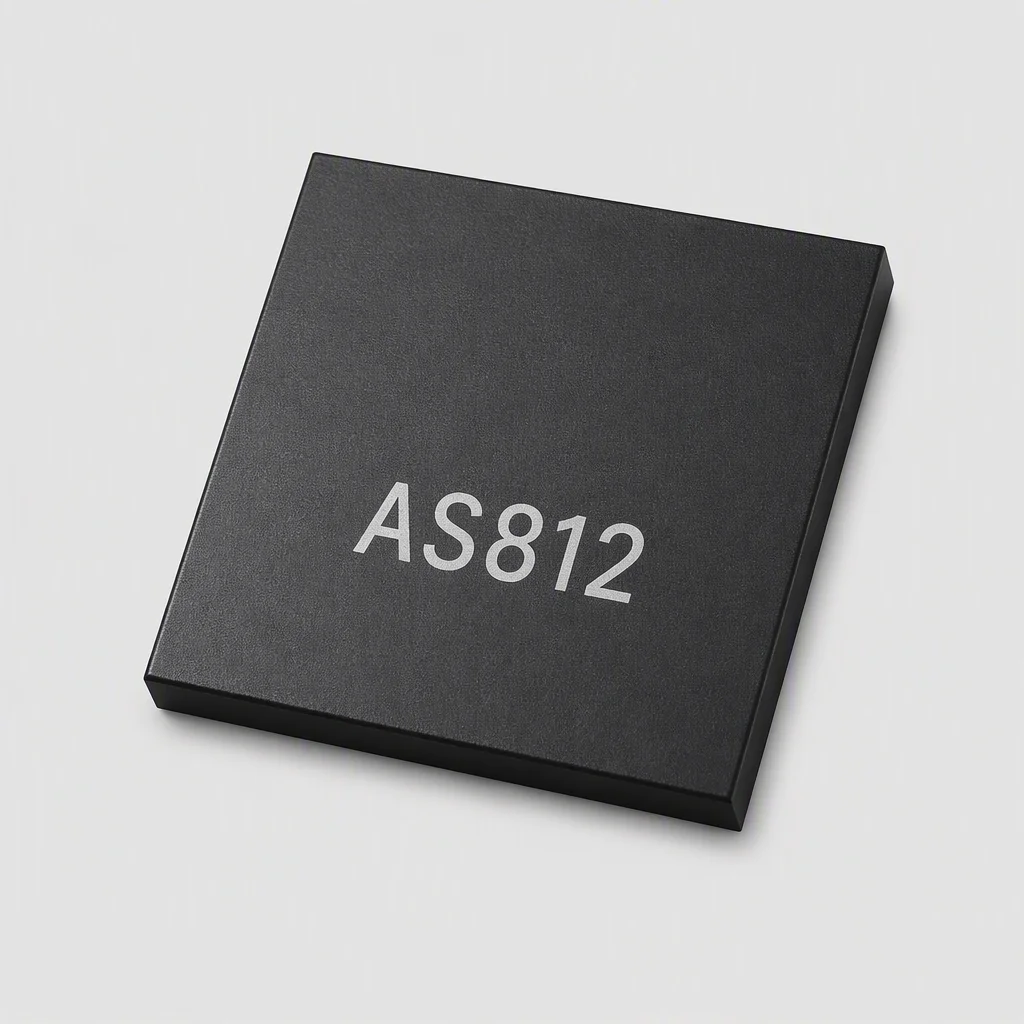
Key specifications
| Function | Face recognition algorithm chip, same-generation variant of AS810 for performance-class builds |
|---|---|
| Engine | In-house face recognition engine, capacity-tuned trade-offs |
| Recognition class | 40–70 cm face distance envelope (unchanged family class) |
| Liveness | Check paths for single-lens and dual-lens platforms |
| Video lane | 4K@30fps H.264 encode class (per SKU config) |
| Target applications | Large-site face systems, attendance integrator platforms |
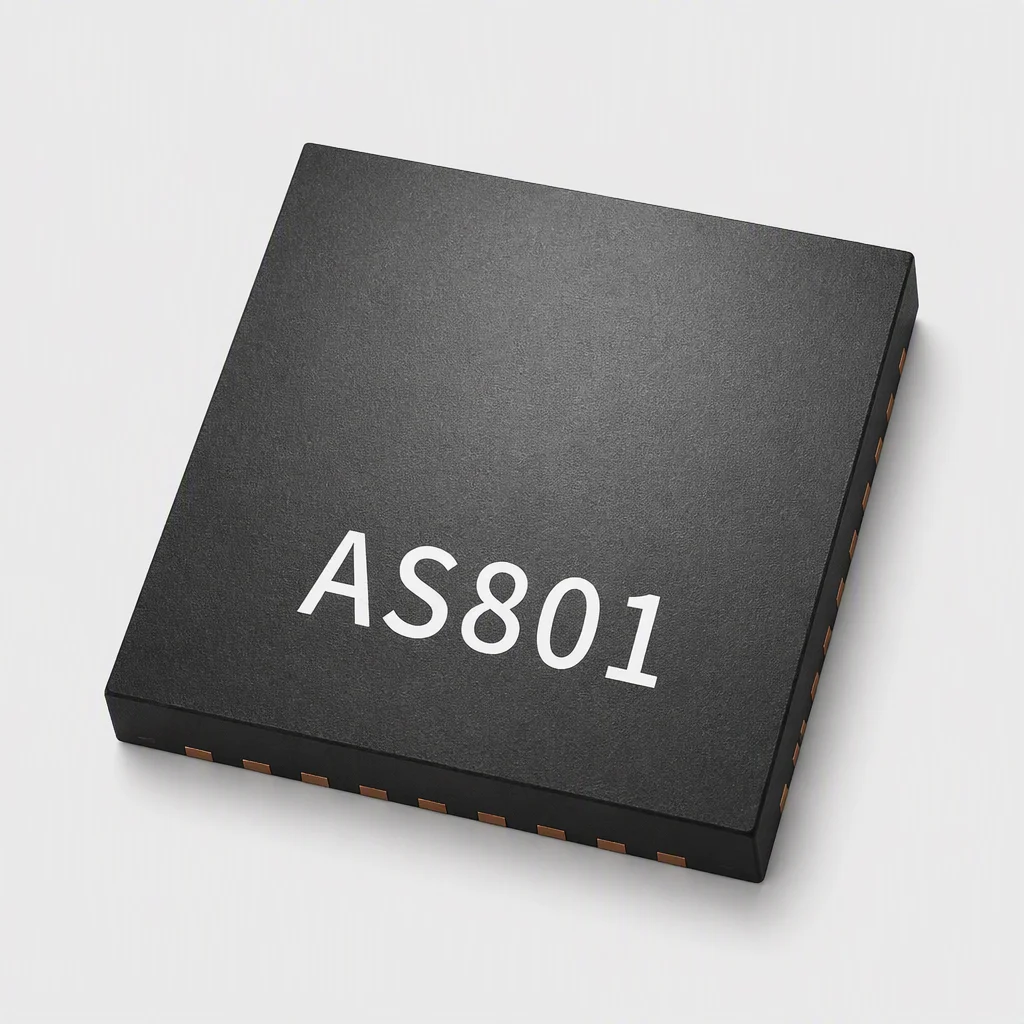
| Marking | AS812 (higher-capacity face performer) |
Full specification
| Parameter | Value | Note |
|---|---|---|
| Product family | AS-series · face recognition algorithm chips | Same generation as AS810 |
| Algorithm engine | In-house face recognition network | 400+ registered IP across group |
| Throughput profile | Tuned higher than AS810 for deployment scale | Capacity class config on request |
| Recognition distance | 40–70 cm class | Panel geometry preserved |
| Liveness | RGB checks; IR paths on module platforms | Photo-screen rejection is the point |
| Encode | H.264, 4K@30fps class (per SKU config) | On-chip encode for band-limited links |
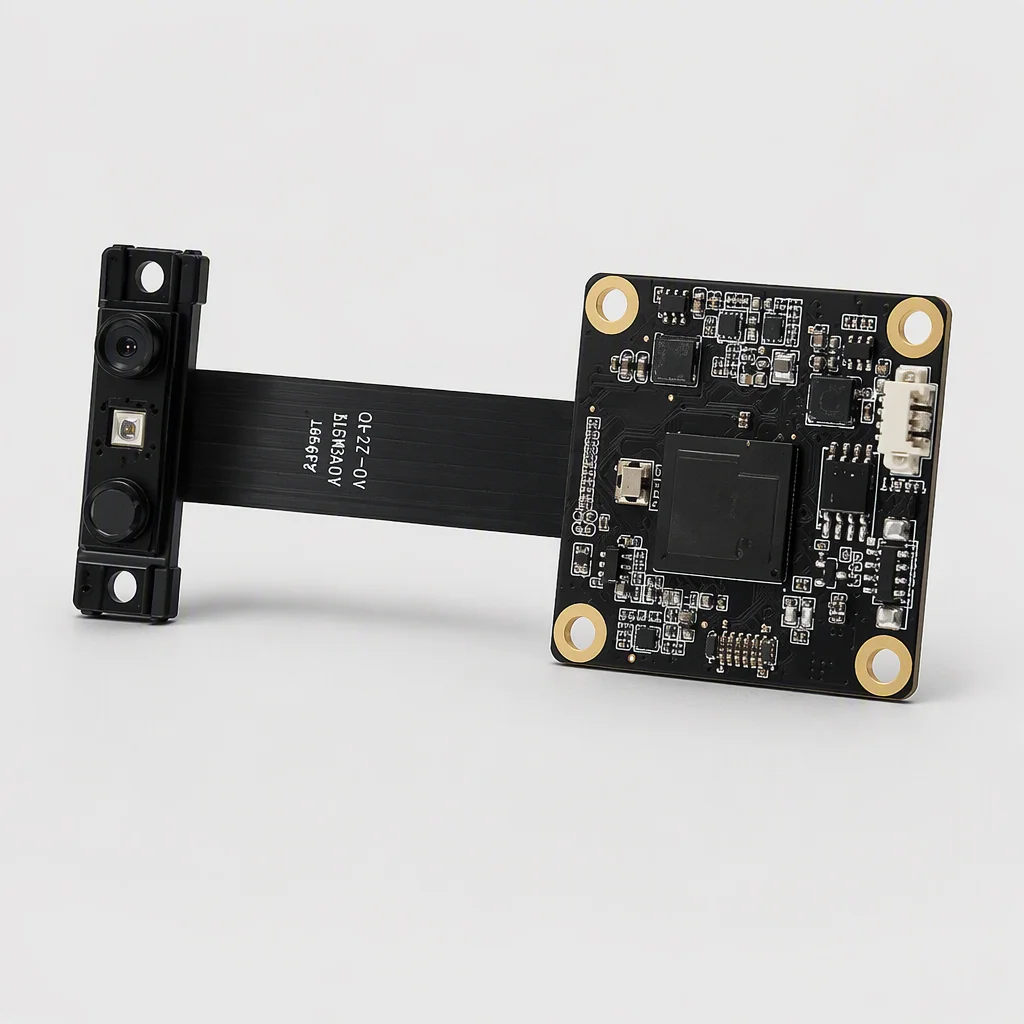
| Interfaces | MIPI-class camera in (platform-dependent), UART/USB control | See reference design |
| Operating environment | Industrial temperature-class design | See BFC-series module for fixture data |
| Packaging | Surface-mount, tape/reel on request | ESD-safe handling documented |
Board-level values vary with camera and clock config — the FAE team validates against your fixture within 48h (as matched for the AS812 build).
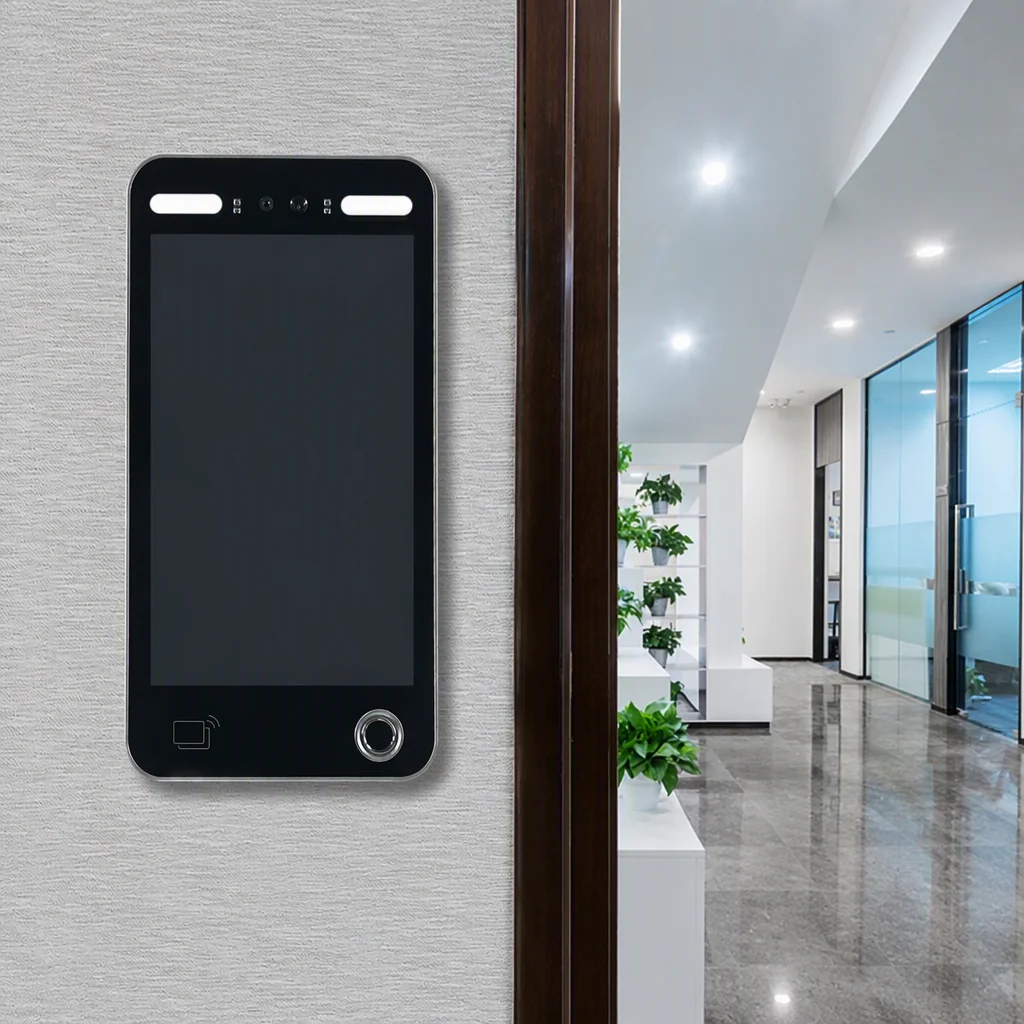
Enrollment looks easy until the staff is eleven hundred.
At big sites the failure mode is a queue, not an error screen. The AS812's capacity-tuned profile keeps the face engine's latency class of the family under the load of peak-change shifts and gate surges:
- Where AS810 is geometry-tuned, AS812 is staff-count-tuned — same engine, scale-weighted allocation.
- Familiar template table — migrating a deployed AS810 site is a firmware/board-revision move, not a rewrite.
- Stay honest about the number — enrollment and capacity figures are confirmed per project; FAE returns a fit matrix within 48h.
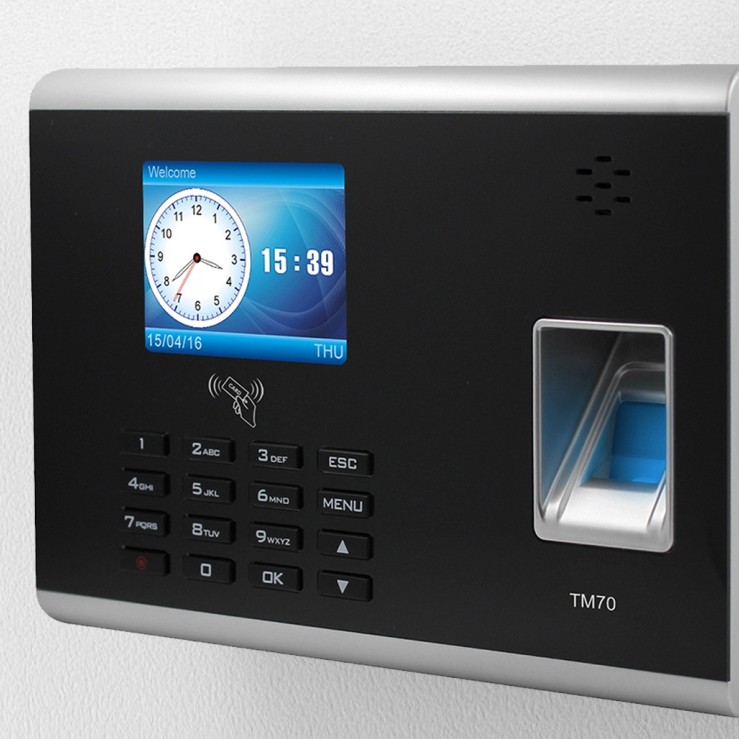
Payroll is a data-throughput problem, too.
Integrators running multi-site attendance lives on the same hardware across a portfolio. A chip that shares the AS810 firmware dialect means:
- One test and deployment script for both capacity tiers.
- The 4K encode keeps face capture video-grade for the HR audit trail.
- Firmware-exposed capacity classes let a reseller quote the right tier per site list.
AS812 FAQs
One pc is the MOQ, samples ship in 1–3 days with the SDK and a capacity-benchmark demo routine matching the AS810 family dialect.
The engine is the same-generation network; the AS812 variant is allocated to higher-capacity deployments and returns a per-project fit matrix rather than a universal number.
Both share the firmware and template dialects. The board and connector variant is confirmed by FAE against your schematic within 48h.
Tell us the site count, not the feature list.
Enrollment budget and gate surge profiles get you a fit matrix plus sample offer within 48h.